Archives
- 2026-06
- 2026-05
- 2026-04
- 2026-03
- 2026-02
- 2026-01
- 2025-12
- 2025-11
- 2025-10
- 2025-09
- 2025-04
- 2025-03
- 2025-02
- 2025-01
- 2024-12
- 2024-11
- 2024-10
- 2024-09
- 2024-08
- 2024-07
- 2024-06
- 2024-05
- 2024-04
- 2024-03
- 2024-02
- 2024-01
- 2023-12
- 2023-11
- 2023-10
- 2023-09
- 2023-08
- 2023-07
- 2023-06
- 2023-05
- 2023-04
- 2023-03
- 2023-02
- 2023-01
- 2022-12
- 2022-11
- 2022-10
- 2022-09
- 2022-08
- 2022-07
- 2022-06
- 2022-05
- 2022-04
- 2022-03
- 2022-02
- 2022-01
- 2021-12
- 2021-11
- 2021-10
- 2021-09
- 2021-08
- 2021-07
- 2021-06
- 2021-05
- 2021-04
- 2021-03
- 2021-02
- 2021-01
- 2020-12
- 2020-11
- 2020-10
- 2020-09
- 2020-08
- 2020-07
- 2020-06
- 2020-05
- 2020-04
- 2020-03
- 2020-02
- 2020-01
- 2019-12
- 2019-11
- 2019-10
- 2019-09
- 2019-08
- 2019-07
- 2019-06
- 2019-05
- 2019-04
- 2018-07
-
br Materials and methods br Results br Discussion
2020-03-13
Materials and methods Results Discussion The nitric oxide generating enzymes of the NOS family comprise three isoforms: nNOS, iNOS and eNOS [31]. Expression of eNOS is mainly found in endothelial chk1 where it physically promotes vasodilation [32]. Conversely, evidence also indicates that
-
Recently a method for in vivo
2020-03-13
Recently, a method for in vivo photoactivation of buy ink expressing PA-GFP in precise microanatomical compartments was described (Victora et al., 2010), which makes it possible to optically mark Tfh cells and track them 20 hr later (Shulman et al., 2013). Unexpectedly, it was reported that Tfh cel
-
Studies of Jelski and Szmitkowski show that differences
2020-03-12
Studies of Jelski and Szmitkowski show that differences of alcohol dehydrogenase (ADH) and aldehyde dehydrogenase (ALDH) activity between retinoic acid receptor of many cancers and healthy tissue may be one of the factors intensifying carcinogenesis [7]. Moreover, changes of ADH and ALDH activity i
-
muscle metabolism However there are still some issues
2020-03-12
However, there are still some issues that remain poorly understood. For instance, how TGF-β modulates DDR2 expression and whether Smads participate in the regulation. How does DDR2 regulate the expression of PTHrP via Runx2? Is there any other kinase downstream of DDR2 participating in PTHrP regulat
-
P H is a nonheme iron II
2020-03-12
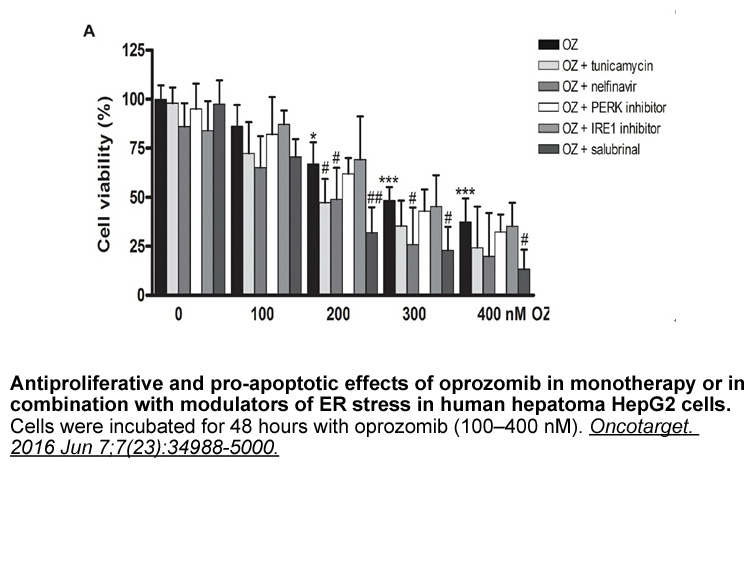
P4H is a nonheme iron(II) dioxygenase that uses O2 and α-ketoglutarate as co-substrates (Fig. 1A). The three-dimensional structure of mammalian P4H is unknown. We reasoned that an electrophilic analog of α-ketoglutarate could serve as an irreversible inhibitor of the enzyme and, hence, a useful prob
-
Data on optimal hormone formulations routes
2020-03-12
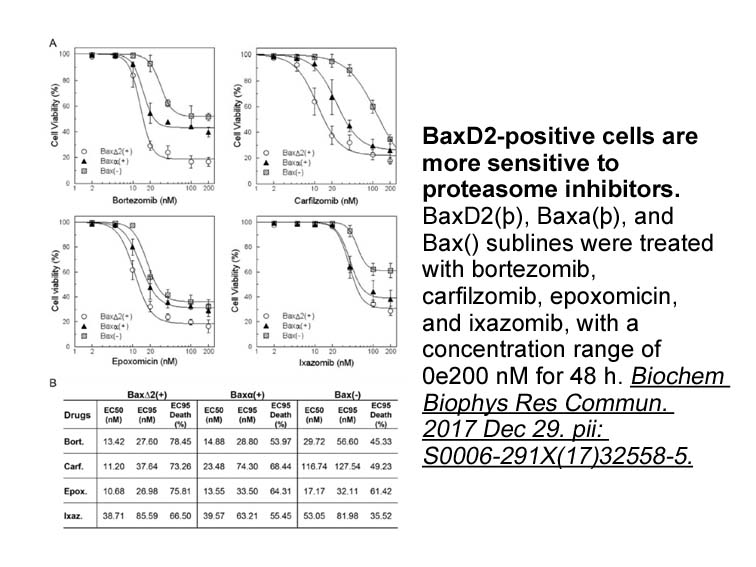
Data on optimal hormone formulations, routes of administration, doses and duration of hormone use in young women with POF are lacking (Box 1). Transdermal TASIN-1 administration, which avoids the first-pass hepatic circulation and the increase in inflammatory markers such as C-reactive protein, whil
-
br Conclusion In conclusion our findings do not suggest
2020-03-12
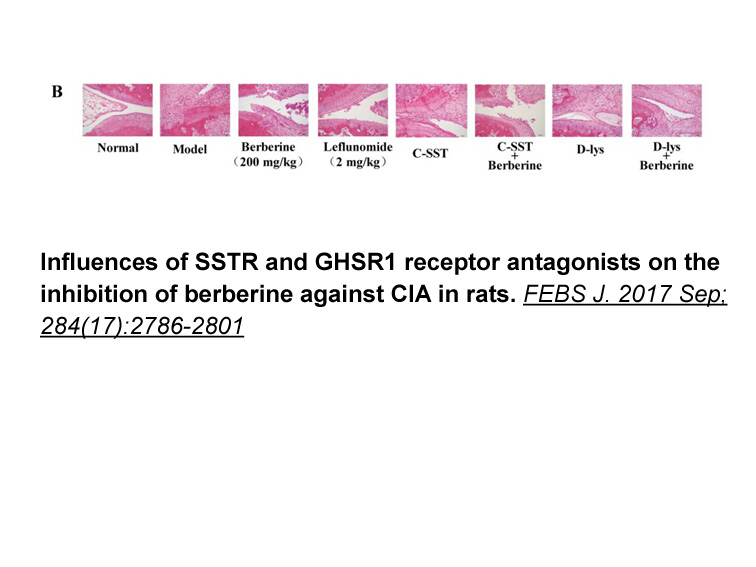
Conclusion In conclusion, our findings do not suggest that HT is an important determinant of future AD risk and are in line with a recent Cochrane review stating that HT is not indicated for preventing dementia or cognitive decline in postmenopausal women [13]. Contributors Conflict of inte
-
Materials and methods br Results Assay of
2020-03-12
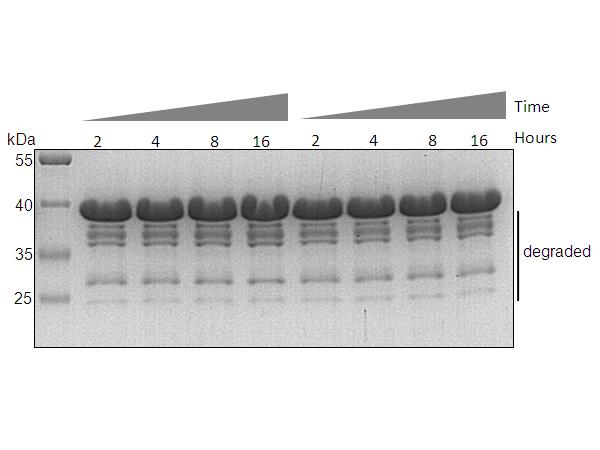
Materials and methods Results Assay of botulinum toxin activity is critical for the risk-assessment, diagnosis, and treatment of botulism cases. The frequently encountered active forms of the toxin are; L chain (inside intoxicated neuronal cells), BoNT (in the blood stream of a botulism patient,
-
Like all other cellular processes ubiquitination is also
2020-03-12

Like all other cellular processes, ubiquitination is also tightly regulated; more so, as myriads of pathways are controlled via this conjugation and dysregulation of ubiquitination has been implicated in various diseases including cancer [16], [17]. Quite a few of such regulatory mechanisms that con
-
prexasertib br Substoichiometric substrate modification E li
2020-03-12
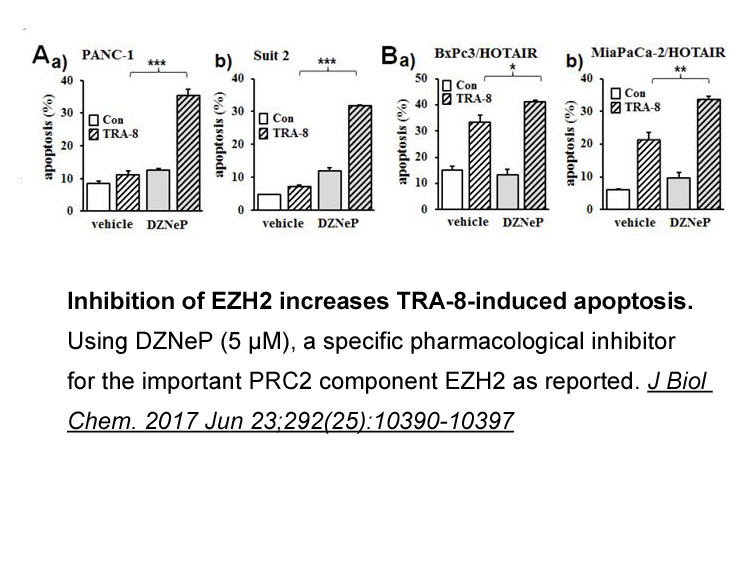
Substoichiometric substrate modification E3 ligases catalyze the rapid transfer of the SUMOD from the E2 enzyme to the substrate. By definition, enzymes are recycled in the reaction, allowing multiple rounds of substrate modification by a single enzyme. Thus, enzymes function at substoichiometric
-
br Ubiquitination and deubiquitination pathways Ubiquitinati
2020-03-12
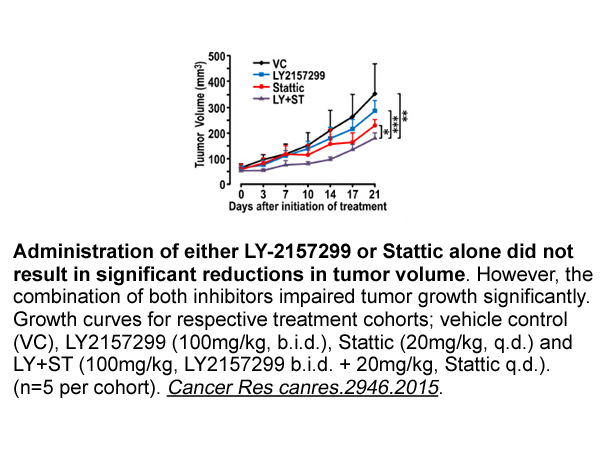
Ubiquitination and deubiquitination pathways Ubiquitination is a part of the post-translational modification (PTM) process. Ubiquitination affects proteins in various ways, but its main functions are to signal protein degradation via the 26S proteasome, modify cellular location of proteins, affec
-
In conclusion we have found that Egr can play
2020-03-12
In conclusion, we have found that Egr1 can play an inhibitory role on DBH promoter-driven transcription. This inhibition requires a newly identified Egr1 response Flavin adenine dinucleotide receptor at the −227/−224 region of DBH promoter. This inhibition appears to result from Egr1 directly bound
-
We found that the postnatal absence of norepinephrine
2020-03-12
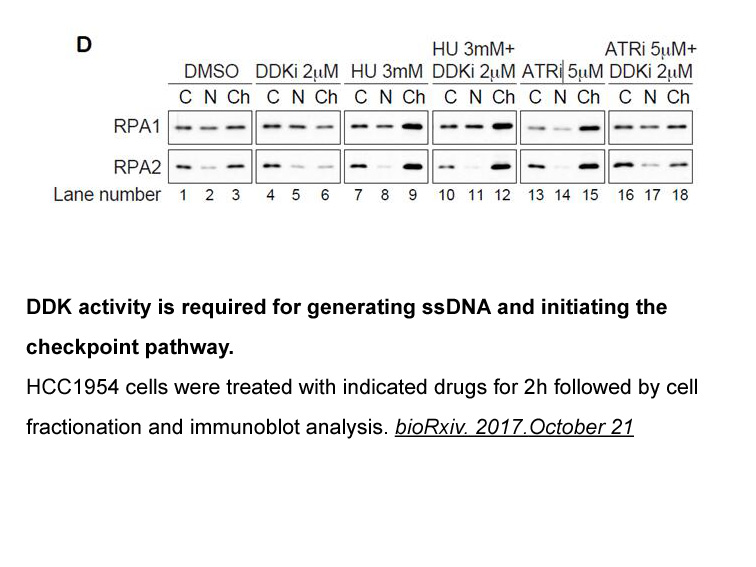
We found that the postnatal absence of norepinephrine yields differing effects depending on noradrenergic receptor type and VO-Ohpic trihydrate synthesis region. The density of α1-AR, indicated by [3H]prazosin binding was similar between Dbh+/− and Dbh−/− mice except for a significant increase in h
-
Intriguingly our laboratory has shown that
2020-03-11
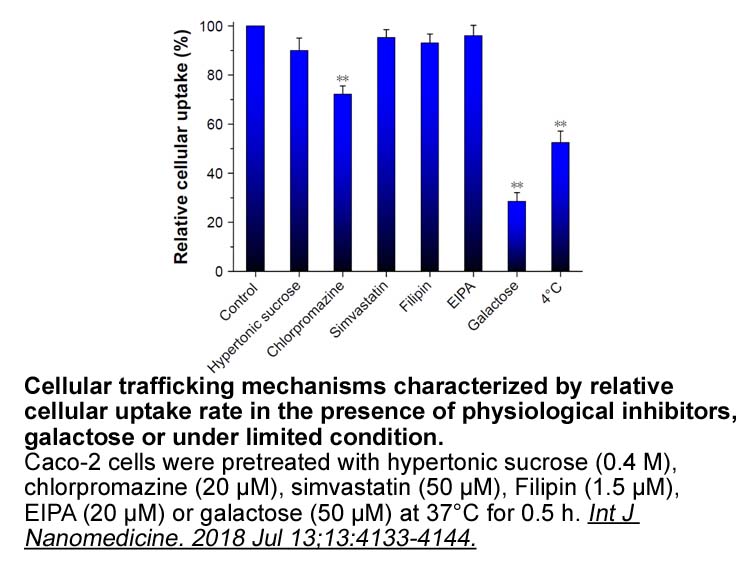
Intriguingly, our laboratory has shown that the I638F kinase domain mutant, unlike the L63V and G505 mutants, is incapable of receptor autophosphorylation and activation of its downstream effector SHP-2 when exposed to collagen stimulation. These data indicate that I638F is a loss of function mutati
-
Cell lines which possess microglial or
2020-03-11
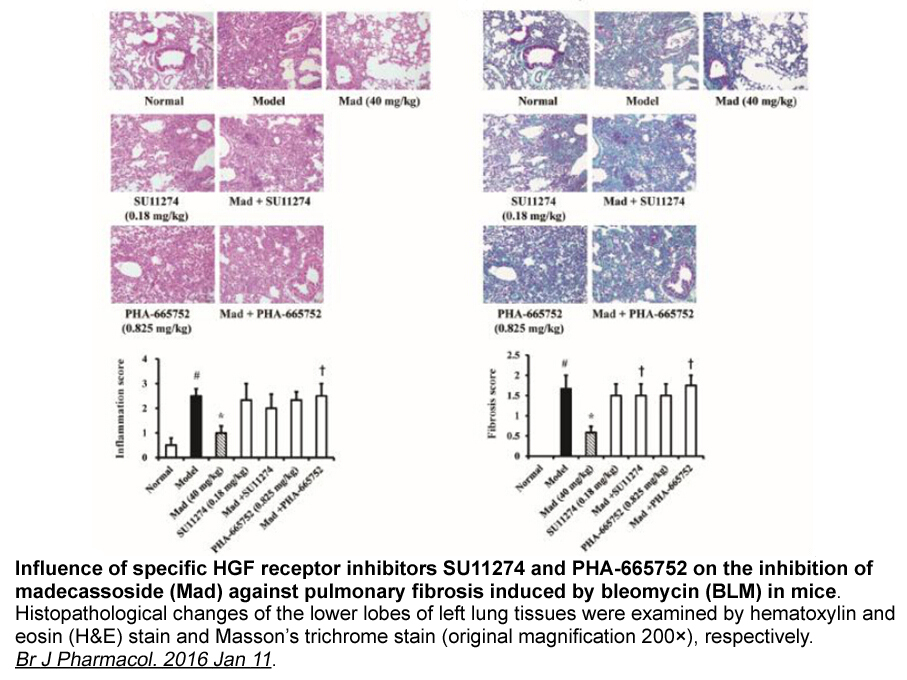
Cell lines which possess microglial or neuronal properties are uncomplicated and convenient in vitro models for studying Sotalol sale injury at the cellular and molecular levels. Microglial BV-2 cells are derived from the immortalized mouse microglia and exhibit many of the morphological, phenotypi
16415 records 919/1095 page Previous Next First page 上5页 916917918919920 下5页 Last page