Archives
- 2026-10
- 2026-09
- 2026-08
- 2026-07
- 2026-06
- 2026-05
- 2026-04
- 2026-03
- 2026-02
- 2026-01
- 2025-12
- 2025-11
- 2025-10
- 2025-09
- 2025-04
- 2025-03
- 2025-02
- 2025-01
- 2024-12
- 2024-11
- 2024-10
- 2024-09
- 2024-08
- 2024-07
- 2024-06
- 2024-05
- 2024-04
- 2024-03
- 2024-02
- 2024-01
- 2023-12
- 2023-11
- 2023-10
- 2023-09
- 2023-08
- 2023-07
- 2023-06
- 2023-05
- 2023-04
- 2023-03
- 2023-02
- 2023-01
- 2022-12
- 2022-11
- 2022-10
- 2022-09
- 2022-08
- 2022-07
- 2022-06
- 2022-05
- 2022-04
- 2022-03
- 2022-02
- 2022-01
-
br HMGB proteins and chromatin structure The multifaceted
2024-12-06
HMGB proteins and chromatin structure The multifaceted roles played by HMGB (formerly called HMG-1 and -2) proteins in modulating chromatin structure, gene transcriptional activity and cellular phenotype have been covered in a number of recent reviews and readers are referred to these for in-dept
-
Testosterone can be converted into estrogens by
2024-12-06
Testosterone can be converted into estrogens by aromatase action. Aromatase is encoded by CYP19, belongs to cytochrome P450 superfamily, and synthesizes estradiol (E2) and estrone (E1) from testosterone and androstenedione respectively (Fig. 1). Aromatase is expressed in the ORS of anagen hair folli
-
br Obstructing SNARE zippering Sharma et al demonstrated for
2024-12-06
Obstructing SNARE “zippering” Sharma et al. demonstrated for the first time that in the postmortem AD brains, the level of SNARE complex formation, which is necessary for driving synaptic vesicle fusion at the presynaptic active zone, is significantly reduced [123]. In the absence of changes in e
-
Recent work has detailed the impact of genetic deletion
2024-12-06
Recent work has detailed the impact of genetic KN-93 of AMPK in the liver, revealing only minor phenotypes upon removal in mice (Boudaba et al., 2018). However, these studies very elegantly showed the potential for small molecule-mediated activation of AMPK to elicit large changes in lipid metabolis
-
Since all the above vascular and glomerular effects contribu
2024-12-06
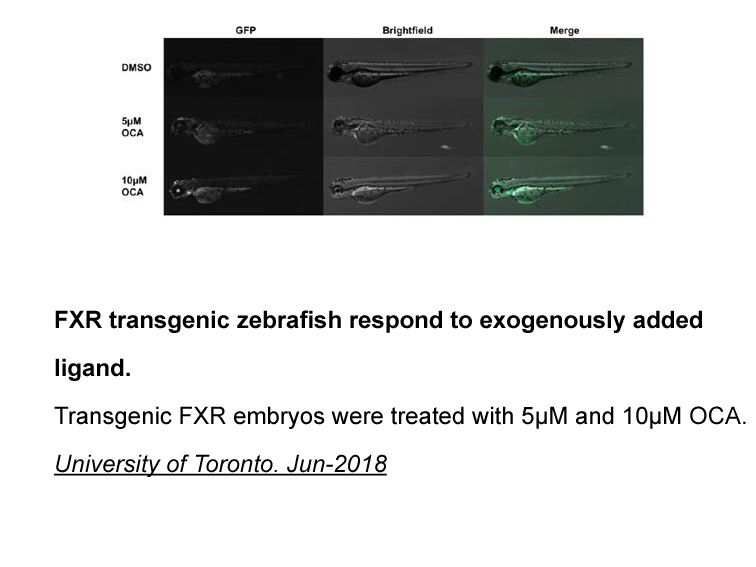
Since all the above vascular and glomerular effects contribute to blood pressure regulation, it is expected for 12/15-LOX pathway to play a role in pathogenesis of hypertension (Fig. 6). Indeed, there is evidence for alterations of the 12- and 15LOX enzymes and metabolites both in humans with essent
-
Cell Cycle Compound Library br Conflict of interest statemen
2024-12-05
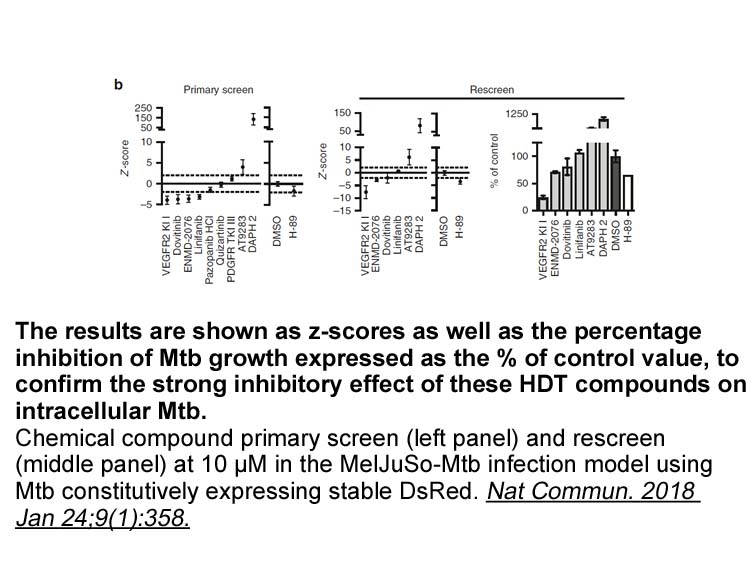
Conflict of interest statement Acknowledgements We are very grateful to Maura Agate for her excellent editorial assistance. The work reported in this article was supported largely by the Italian MIUR. Introduction Atenolol is a selective β1-adrenergic receptor blocker that is orally effect
-
br Discussion Here we focused on
2024-12-05
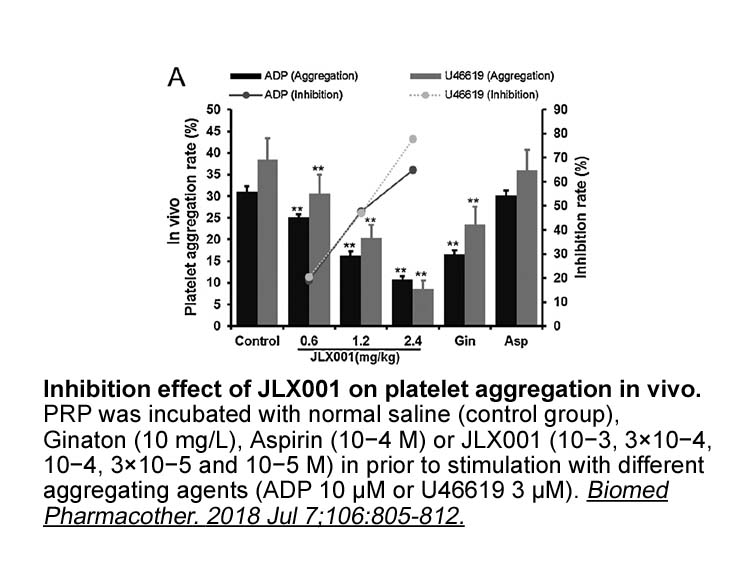
Discussion Here, we focused on seven plant alkaloids extracted from yokukansan. These alkaloids individually inhibited 5-HT-mediated 5-HT3A and 5-HT3AB receptor currents weakly. Simultaneous administration of these alkaloids, however, inhibited the 5-HT3A and 5-HT3AB receptor currents strongly. T
-
This raises an important question May the
2024-12-05
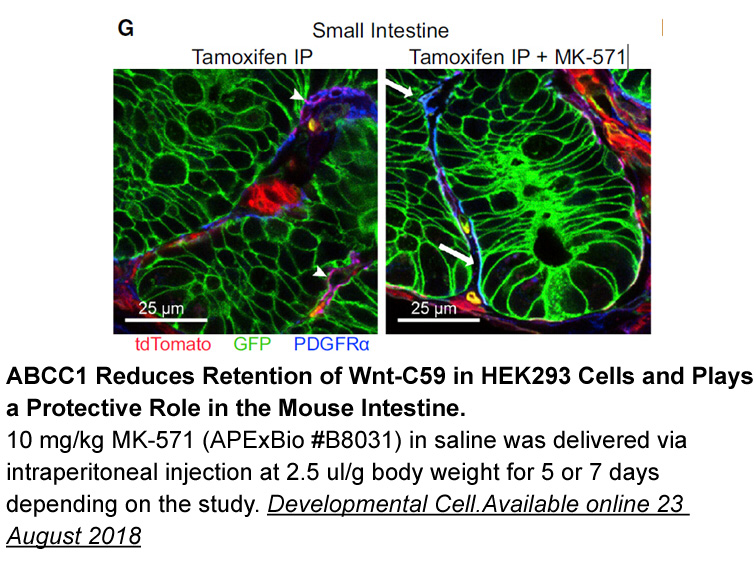
This raises an important question: May the lack of ethnolinguistic theories and of explicit references to language be related to the lack of contact with other groups and their languages? For the past few centuries at least, the Aché seem to have been culturally and linguistically isolated (Hill and
-
Introduction Apoptosis signal regulating kinase ASK
2024-12-04
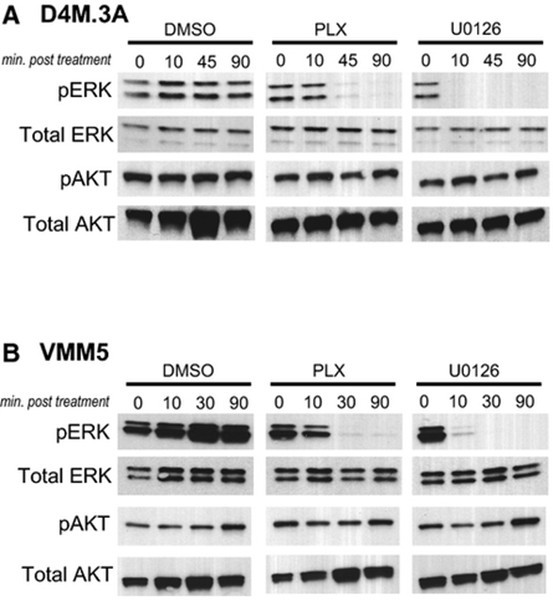
Introduction Apoptosis signal-regulating kinase 1 (ASK1), a family member of the mitogen-activated protein (MAP) kinase kinase kinase (MAP3K) family, selectively activates the JNK and p38 MAP kinase pathways in response to various types of stresses, including oxidative stress, and subsequently indu
-
As the experimental procedure used could reflect
2024-12-04
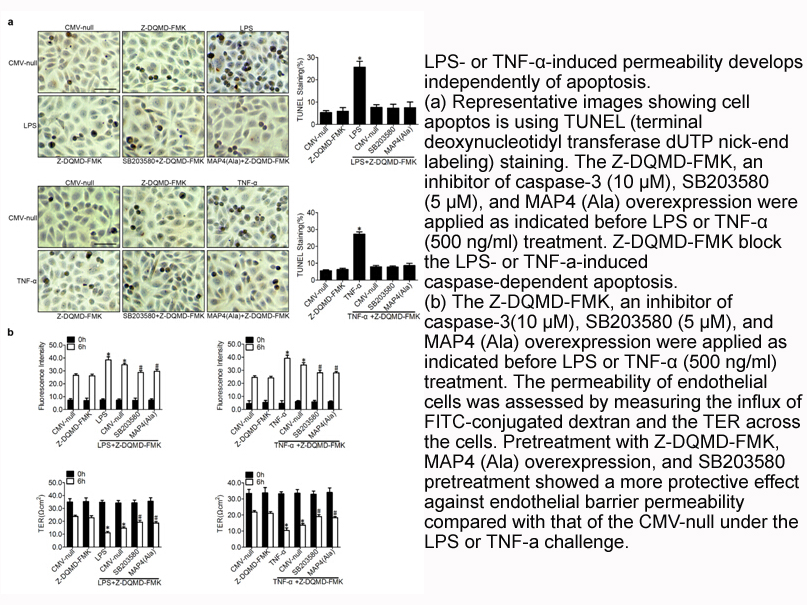
As the experimental procedure used could reflect agonist-stimulation of both anterograde and retrograde APJ trafficking, as has been described for the δ-opioid peptide receptor (Zhang et al., 2006b, Zhang et al., 2006a), receptor internalization was more directly monitored by loading cell surface HA
-
Further evidence for action mechanism was provided by assays
2024-12-03
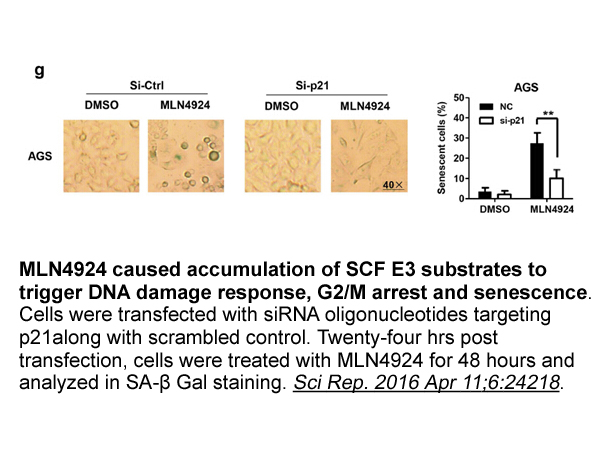
Further evidence for action mechanism was provided by assays using [3H]nisoxetine, a selective NET inhibitor used as standard radioligand for competitive binding experiments. The results showed dose-dependent blocking of [3H]nisoxetine binding by both xylazine and dexmedetomidine. Nisoxetine binds t
-
Adenosine can modulate neutrophil bactericidal functions
2024-12-02
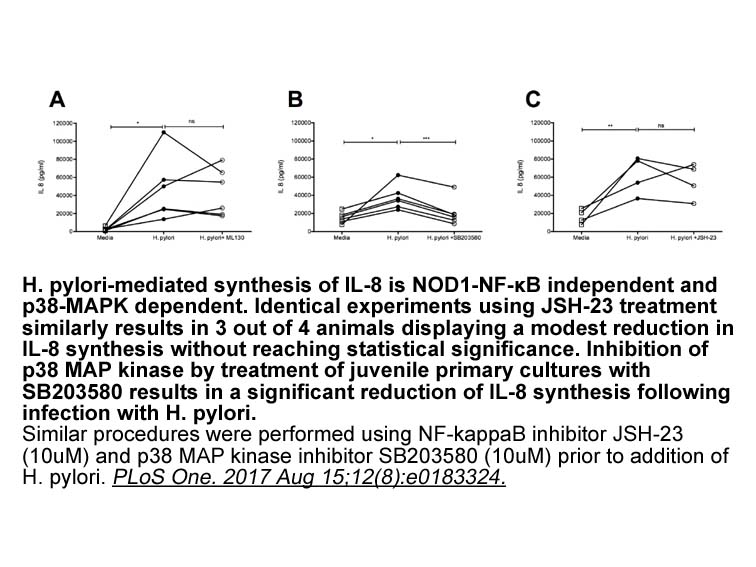
Adenosine can modulate neutrophil bactericidal functions. A dual regulatory effect has been reported for adenosine on phagocytosis. Indeed, the activation of A1 receptors augments this process, while the stimulation of A2A receptors was found to reduce the phagocytic activity of neutrophils [89]. In
-
br Introduction br Rac dependent ROS and actin
2024-12-02
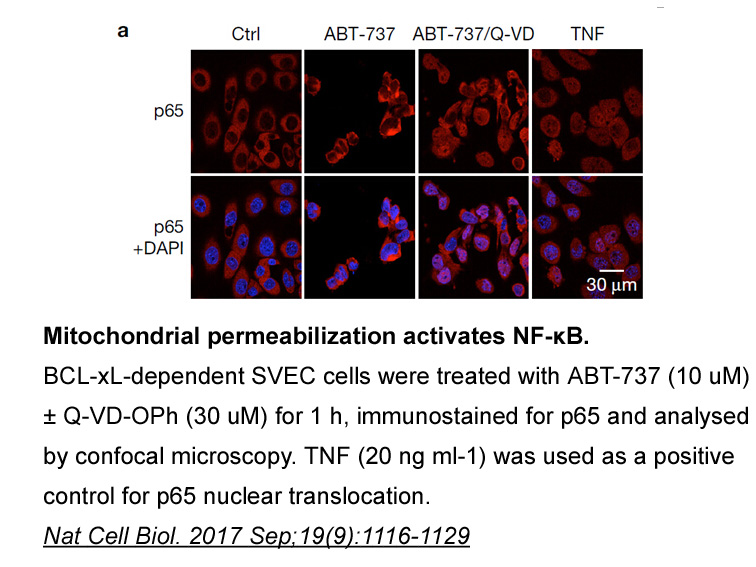
Introduction Rac1-dependent ROS and nor-NOHA acetate regulation in neuronal functions NOX-mediated ROS have an important role as physiological messengers. One remarkable example regarding such a function is during axonal formation. In this line, increased p40phox/NOX2 levels and co-localizatio
-
It is worth pointing out that phenotypes of in vivo
2024-12-02
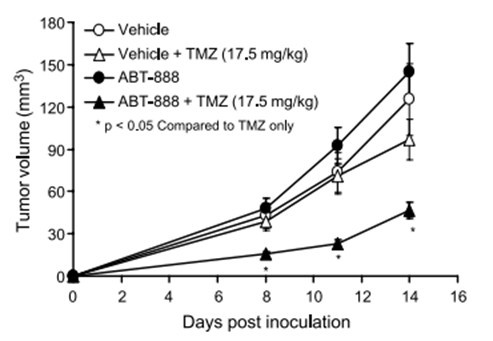
It is worth pointing out that phenotypes of in vivo HSP90β inhibition were not identical to those observed in rapsyn mutant mice (Gautam et al., 1995). Postsynaptically, junctional AChR clusters appeared fragmented, in addition to expected reduction in AChR intensity, in muscles injected with 17-AAG
-
Despite hydrolysis with commercial enzymes like trypsin peps
2024-12-02
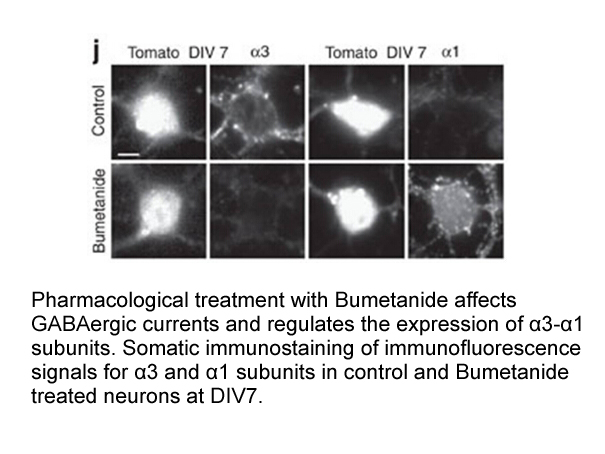
Despite hydrolysis with commercial enzymes like trypsin, pepsin, Alcalase, Flavourzyme and Thermolysin have been used to digest parent proteins and generate peptides, microbial fermentation by proteolytic species has also proved to be a successful strategy (Fakhfakh et al., 2013, Jemil et al., 2016,
8602 records 82/574 page Previous Next First page 上5页 8182838485 下5页 Last page