Archives
- 2026-07
- 2026-06
- 2026-05
- 2026-04
- 2026-03
- 2026-02
- 2026-01
- 2025-12
- 2025-11
- 2025-10
- 2025-09
- 2025-04
- 2025-03
- 2025-02
- 2025-01
- 2024-12
- 2024-11
- 2024-10
- 2024-09
- 2024-08
- 2024-07
- 2024-06
- 2024-05
- 2024-04
- 2024-03
- 2024-02
- 2024-01
- 2023-12
- 2023-11
- 2023-10
- 2023-09
- 2023-08
- 2023-07
- 2023-06
- 2023-05
- 2023-04
- 2023-03
- 2023-02
- 2023-01
- 2022-12
- 2022-11
- 2022-10
- 2022-09
- 2022-08
- 2022-07
- 2022-06
- 2022-05
- 2022-04
- 2022-03
- 2022-02
- 2022-01
- 2021-12
- 2021-11
- 2021-10
- 2021-09
- 2021-08
- 2021-07
- 2021-06
- 2021-05
- 2021-04
- 2021-03
- 2021-02
- 2021-01
- 2020-12
- 2020-11
- 2020-10
- 2020-09
- 2020-08
- 2020-07
- 2020-06
- 2020-05
- 2020-04
- 2020-03
- 2020-02
- 2020-01
- 2019-12
- 2019-11
- 2019-10
- 2019-09
- 2019-08
- 2019-07
- 2019-06
- 2019-05
- 2019-04
- 2018-07
-
The active site of PS is
2021-09-14
The active site of PS1 is located at the interior of its TM horseshoe-like fold (29) (Fig. 1). TM2 and TM6 serve as “doors” for substrate entry (30), as also observed in recent molecular dynamics (MD) simulations of the PS1 subunit (31). Recent coarse-grained (CG) and atomic simulations also showed
-
Interestingly GAL has also been shown to be co expressed
2021-09-14
Interestingly, GAL has also been shown to be co-expressed and/or secreted in luteinizing hormone releasing hormone (LHRH) (Merchenthaler et al., 1991, Marks et al., 1994) and kisspeptin (KISS) neurons (Porteous et al., 2011). Furthermore, GAL was shown to stimulate luteinizing hormone (LH) secretion
-
A frequent complication of SIRS and
2021-09-14
A frequent complication of SIRS and sepsis is the development of increased airway resistance and lung inflammation [2], [3]. For example, Uhlig et al. [3] demonstrated that rat lungs exposed to endotoxin present increased airway resistance due to constriction of terminal Anisomycin [3] Moreover, it
-
We used a culture model of human erythropoiesis
2021-09-14
We used a culture model of human erythropoiesis that recapitulates all developmental stages [24] to screen a focused set of lncRNAs for potential contribution to this program. We found induction of lncRNA Fas-antisense 1 (Fas-AS1 or Saf) during RBC maturation and demonstrate that essential erythroid
-
Here we report the kinetics of inhibition of the
2021-09-14
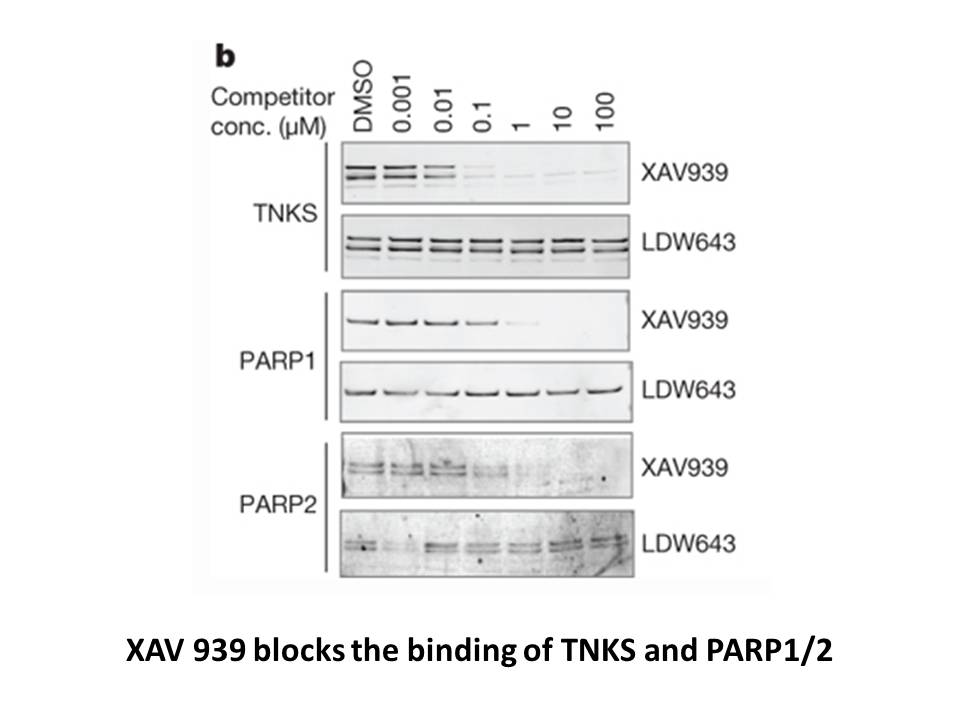
Here, we report the kinetics of inhibition of the MYST HAT family member KAT8 by MG149, and a calculation of the inhibitory constant Ki of MG149 for KAT8. The inhibition of HATs by MG149 could be correlated to inhibition of histone acetylation in murine PCLS upon MG149 treatment, as determined by a
-
br Experimental procedures br Results Hdc
2021-09-14
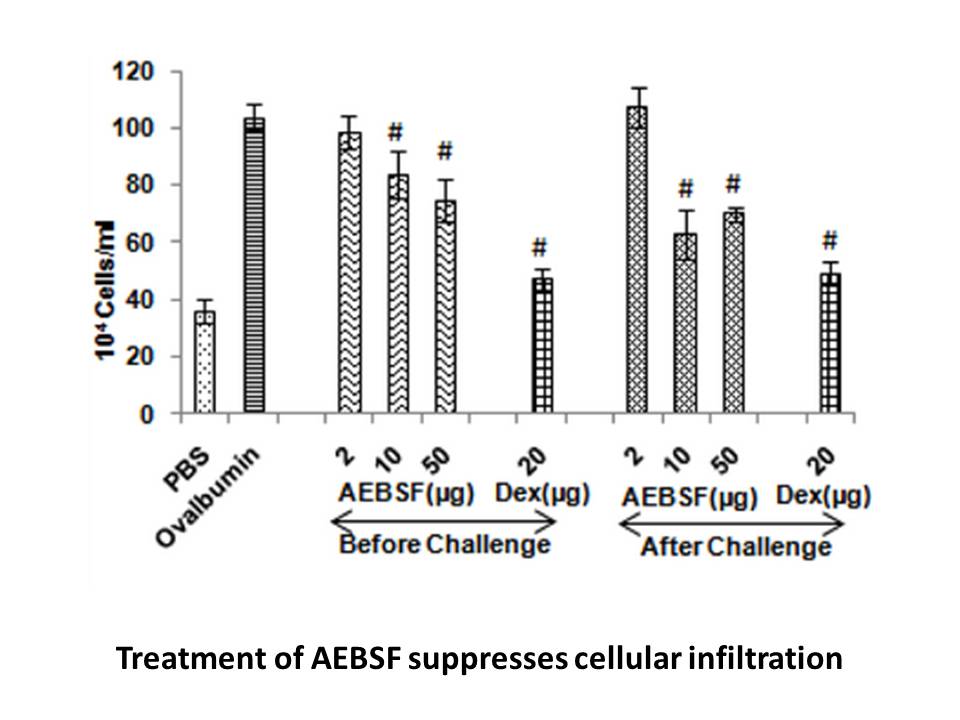
Experimental procedures Results Hdc-KO mice show basal activation of the MAPK and AKT/GSK3β pathways in the dorsal striatum (Rapanelli et al., 2014). These signaling pathways are differentially regulated by the H3 receptor in dMSNs and iMSNs in wild-type mice (Rapanelli et al., 2016). To bette
-
br Hh Proteins at a Glance Hh family proteins
2021-09-14

Hh Proteins at a Glance Hh family proteins are evolutionarily conserved morphogens that provide cells with positional information and fate instruction during early embryonic development. After development, Hh ligands contribute to tissue homeostasis and wound healing 1., 2.. Consistent with these
-
P Benzoxaborole substituted macrocyclic compounds based on I
2021-09-14
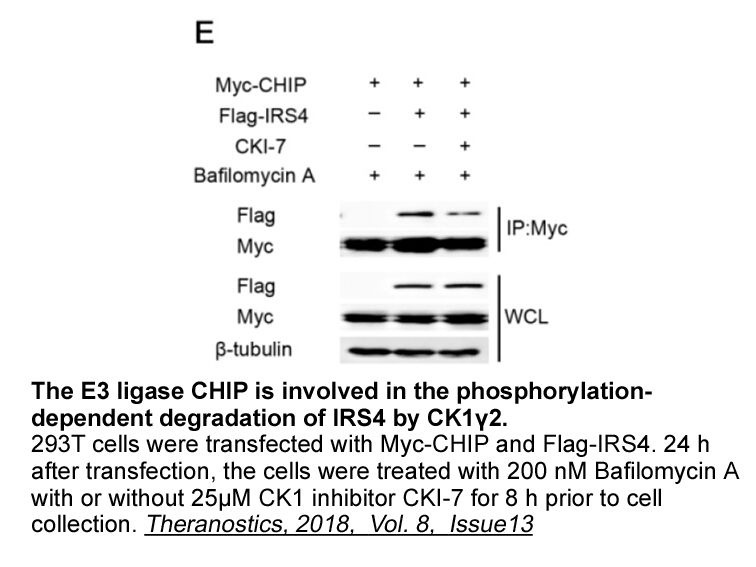
P4-Benzoxaborole-substituted macrocyclic compounds based on ITMN-191 scaffold were prepared using a general scheme as shown in . ITMN-191 was prepared by following a patent procedure. The P4 BOC group was removed by treatment with TFA in dichloromethane to give amine . The coupling of the amine to 6
-
The synthesis of is shown in The Boc
2021-09-14
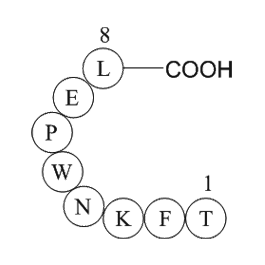
The synthesis of is shown in . The ---Boc--diaminopropanoic acid--butyl ester () fragment was synthesized in four steps from Boc--asparagine (). The key step in this synthesis was a Hofmann rearrangement of the terminal carboxamide, which was performed according to the elegant protocol of Zhang tha
-
PBI is an agonist of
2021-09-14
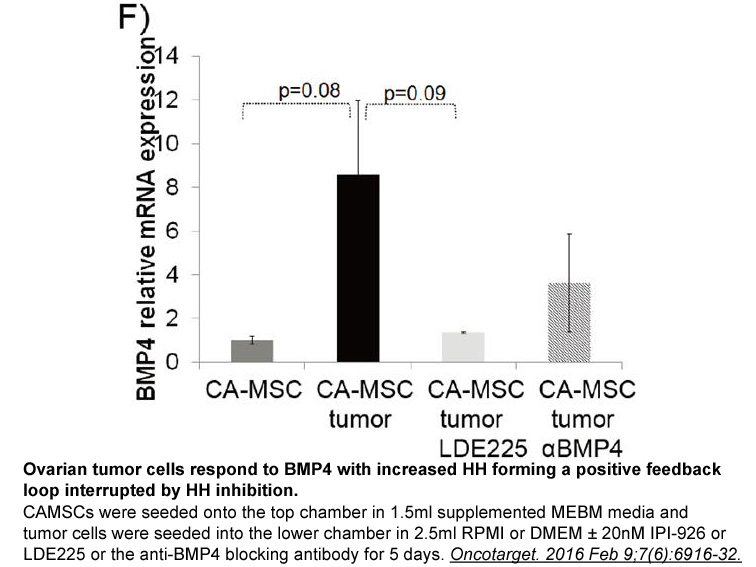
PBI-4050 is an agonist of GPR40 and acts as an antagonist or inverse agonist of GPR84. It cannot be excluded that other targets besides GPR40 and GPR84 could be implicated in the mechanism of action of PBI-4050 and could be explored in future studies. However, the present study, and in particular th
-
Introduction Human immunodeficiency virus HIV persue to
2021-09-13
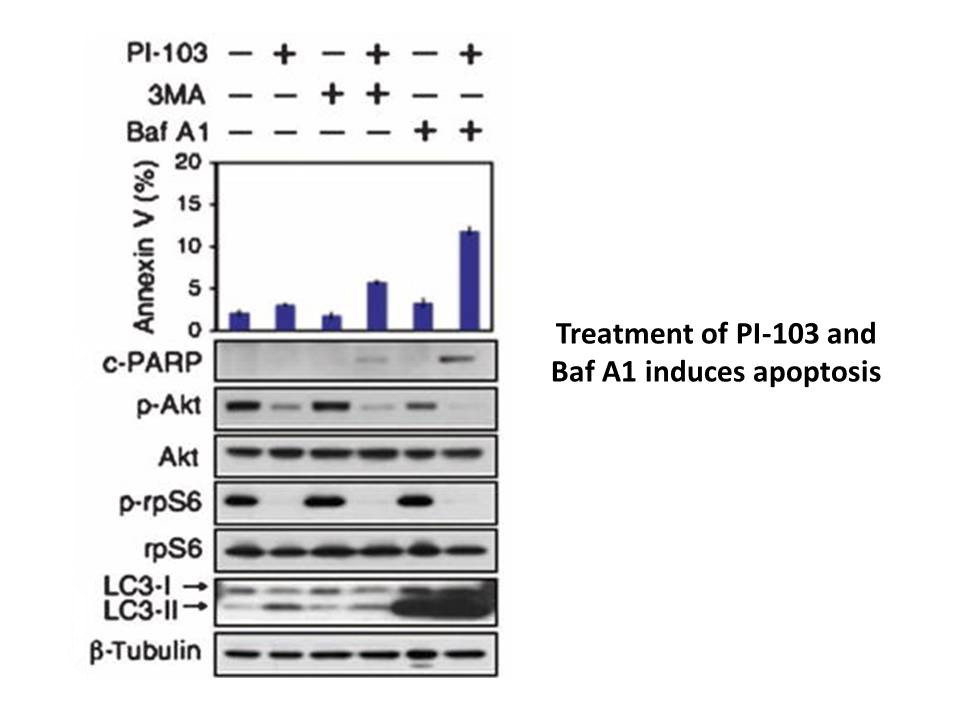
Introduction Human immunodeficiency L-690,330 receptor (HIV) persue to be a major global public health problem (Joint United Nations Programme on HIV/AIDS, 2018). Globally, 36.9 million (range, 31.1 million–43.9 million) people were living with HIV in 2017 (UNAIDS, 2018a). The burden of the epidemi
-
br Acknowledgements This work was
2021-09-13
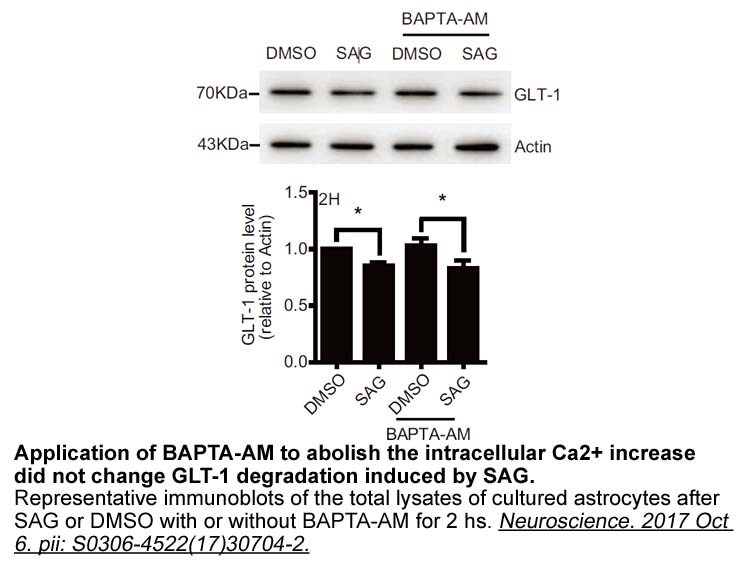
Acknowledgements This work was supported by NIH HL111674 (JHF), and the Antoinette E. (“Mimi”) & Herman Boehm Foundation (JK). The authors wish to acknowledge the valuable assistance of the Functional Genomics Core of the University of Colorado, Denver. Introduction The 21-gene recurrence sco
-
Considering its role in regulating
2021-09-13
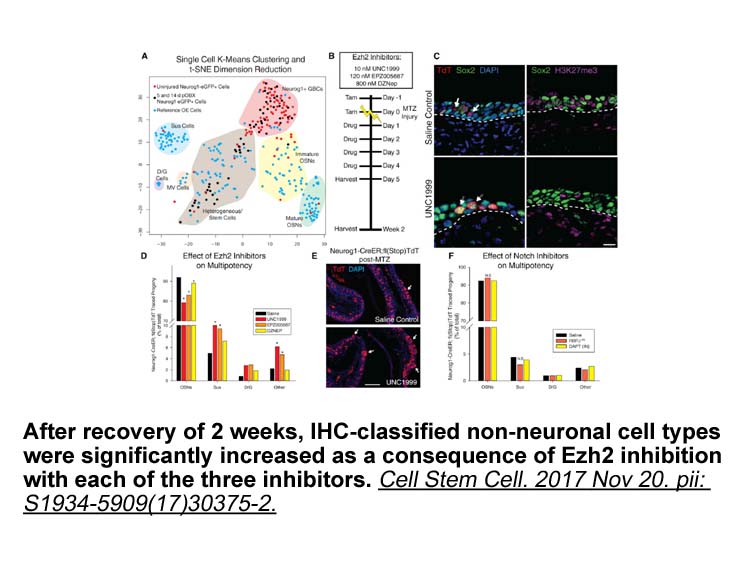
Considering its role in regulating cytoskeletal dynamics, the Rho kinase effector ROCK has been particularly implicated in tumor metastasis. The ROCK inhibitors Y27632 and fasudil have been extensively studied in cancer and beneficial effects have been observed in many types of cancers (Kale et al.,
-
Compounds and were synthesized according to The synthesis
2021-09-13
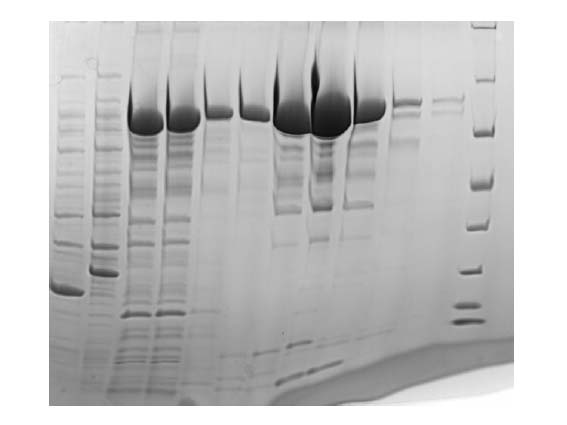
Compounds –, , and were synthesized according to . The synthesis of compounds – commences with C-acylation of 3,4-dibromothiophene to the form ketone , the ring closure to form the ester , Hiyama cross-coupling or Suzki cross-coupling to produce , or to , respectively. Compound was produced from
-
GPR levels were not changed by any treatment GPR
2021-09-13
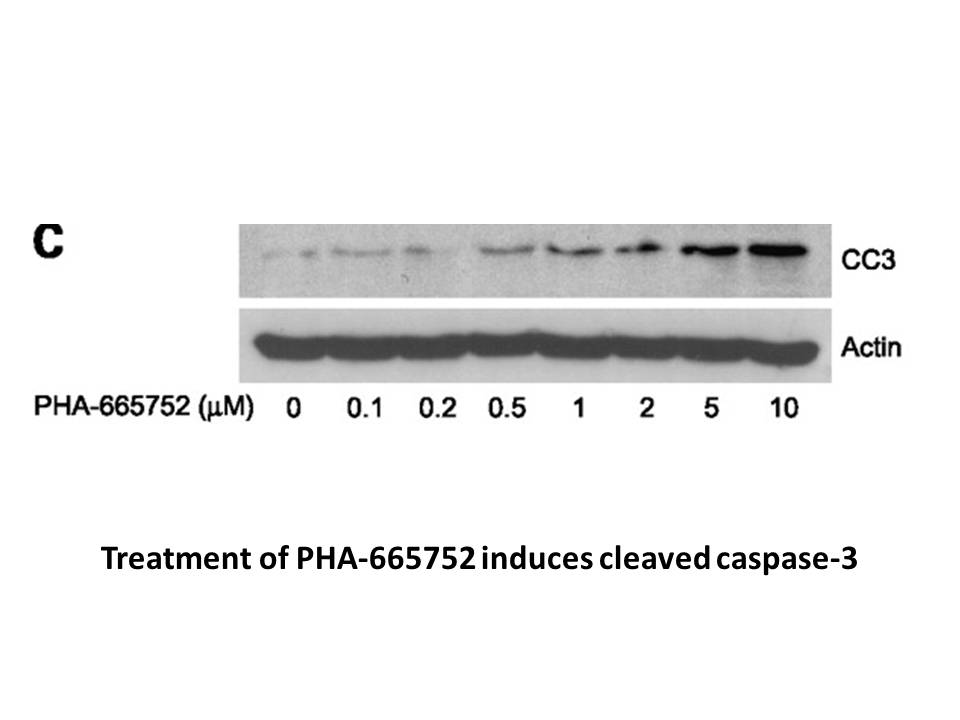
GPR40 levels were not changed by any treatment. GPR40 has the same agonists as GPR120 but only a 10% homology [35] despite using the same intracellular signaling cascades [7]. Previous data on the ability of exercise to modulate G protein coupled receptors in general are scarce. The long-chain fatty
16447 records 627/1097 page Previous Next First page 上5页 626627628629630 下5页 Last page